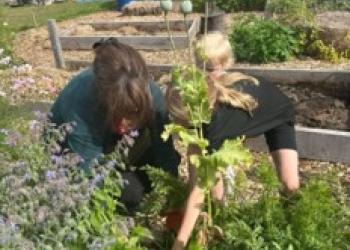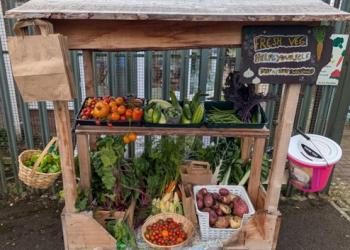
Our goal was to deliver a dynamic programme of wellbeing and environmental activities at Growing Chrysalis to raise awareness of climate change and strengthen community connections.
Scottish Action for Mental Health
Go To WebsiteAddressed Challenges:
- Health and Wellbeing
- Waste / Circular Economy
- Biodiversity Loss
- Greater Fairness / Juts Transition
- Excessive Consumption
Action Areas:
- Biodiversity and Nature
- Land Use, Food and Agriculture
Initiative Purpose:
- Mitigation and Adaptation
The Story
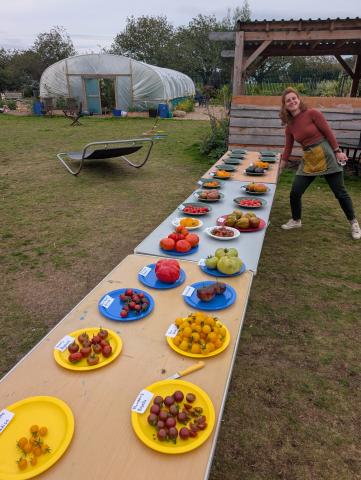
Since opening Growing Chyrsalis in Dawson Park in 2021, our goal has been to create far more than a community wellbeing garden. We wanted to develop a welcoming, inclusive space where people can connect with nature and each other, improve their wellbeing and mental health and discover how small, everyday actions can make a meaningful difference to the wider community, environment and climate change.
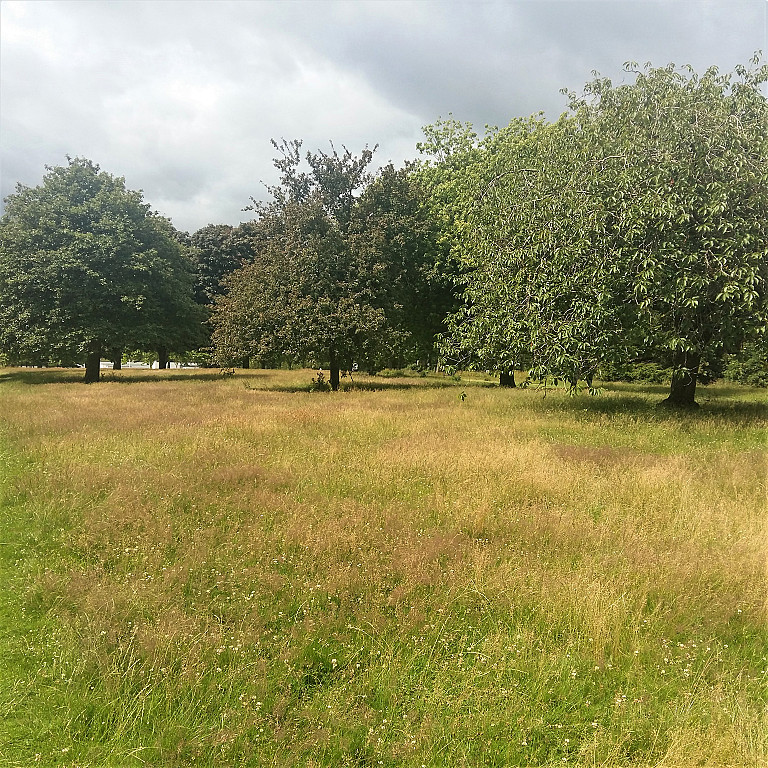
With the amazing support of the Dundee Climate Fund, we delivered a year-long programme of gardening activities, workshops and community events that combined environmental education with therapeutic horticulture. We believe that people are more likely to care for the environment when they feel connected to it. By learning how to grow food, planting for wildlife, saving seeds, composting and creating habitats for pollinators, visitors to the garden gained practical skills while building confidence, improving wellbeing and strengthening community connections.
The project was shaped through collaboration with a range of local organisations and groups, including Giving Back, National Literacy Trust, Dundee Bairns, Cycle Hub, Dundee Seed Savers, Dundee Carers Centre and local schools. Collectively, we created a diverse programme of regular activities and one-off events that encouraged people of all ages to learn about climate change, biodiversity and sustainable living in practical and accessible ways.
Growing Chrysalis has become a place where people can learn, volunteer, build friendships and experience the restorative power of nature. For many, it has also provided hope, purpose and a renewed sense of place and belonging
Success & Outcomes
The greatest measure of our success comes from the people who have taken part in the programme. Below are some quotes from individuals who have attended the regular activities funded by the Dundee Climate Fund.
‘I now find gardening so beneficial that I never really need to be motivated to do it. There are so many aspects to enjoy – from sowing seeds and nurturing seedlings to designing planting areas and creating colour throughout the year. It’s incredibly rewarding to see the results of yours work and the wildlife it attracts.’
‘I don’t really have the words to express what Growing Chrysalis has meant to me. It has literally been a lifesaver. I had my first garden at the age of 36 and had no idea what to do with it. Learning to grow my own food and flowers has brought me so much joy. Watching bees on the flowers and birds using my garden is priceless. Gardening has brought me peace, purpose and happiness.’
These quotes capture not only what Growing Chrysalis is about but the impact that the funding from the Dundee Climate Fund has made on communities across the city. The support has enabled the team at Growing Chrysalis to help people reconnect with nature, improve their mental health and wellbeing, strengthen social connections and inspire lasting environmental action.
Advice for others looking to do something similar
One of the most important lessons from this project is that successful community projects, such as Growing Chrysalis, are built on relationships. Investing time in developing connections with local organisations, schools, and community groups is key to create a stronger, more inclusive project and help ensure that the activities you are delivering reach the people who will benefit the most. The partnerships we have created over the last year have allowed us to share ideas, resources and build a lasting community legacy.
It is also important to remain flexible in your approach. While having a clear plan is essential, it was really important for us to respond to the interests, ideas and changing needs of the communities and people we wanted to benefit from this programme of activities. We regularly reviewed feedback and adapted our activities based on visitor questionnaires and new opportunities that came up throughout the year’s project delivery. This ensured that our project remain relevant, engaging and accessible, while encouraging our visitors to take ownership of how activities were shaped and delivered.
Volunteers have been key to the success of Growing Chrysalis. They contributed their time, skills, enthusiasm and lived experience, helping to create a welcoming and inclusive environment for everyone who visits the garden. They have supported practical climate and gardening activities, shared knowledge with new visitors, helped organise events and acted as ‘Growing Chrysalis Ambassadors’ in their own communities. Supporting them is so important and we have ensured that they have had the opportunities to learn new skills, recognised their contribution and helped them build confidence.
One of our biggest challenges has been to manage the level of demand for our family events. Several of the one-off family events were oversubscribed – which showed that there is a strong appetite in the community for accessible, nature-based and environmental activities that bring families together. If we were to deliver similar events in the future, we would build in additional capacity by either scheduling more family events across the holidays or look at bringing in more support from external partners and community organisations to help with the logistics behind the event.